Training That Prepares Drivers for Hiring
CDL Truck Driving School in Emmett for individuals transitioning into commercial transportation careers
Carriers across the Boise Valley report that graduates from Heritage Truck Driving School require half the onboarding time of typical CDL school completers because the training emphasizes real-world vehicle handling over classroom theory. The school operates in Emmett as a one-on-one instruction provider where each student works with the same certified instructor from course start to CDL exam, eliminating the inconsistency that comes from rotating between multiple teaching approaches. You practice on manual transmission trucks that match the older fleet equipment many entry-level drivers will operate during their first year.
The curriculum combines an online entry-level driver provision theory component with hands-on training covering pre-trip inspections, backing maneuvers, coupling procedures, and highway driving. Four daytime time slots and weekend sessions accommodate working students throughout the service area, which extends from Mountain Home to Payette. Instruction focuses on safety protocols, load security, and driver confidence rather than teaching only to minimum testing standards.
Arrange a consultation at the Schiller Road facility to observe training vehicles and discuss your current schedule constraints.
How One-on-One Instruction Differs from Group Programs
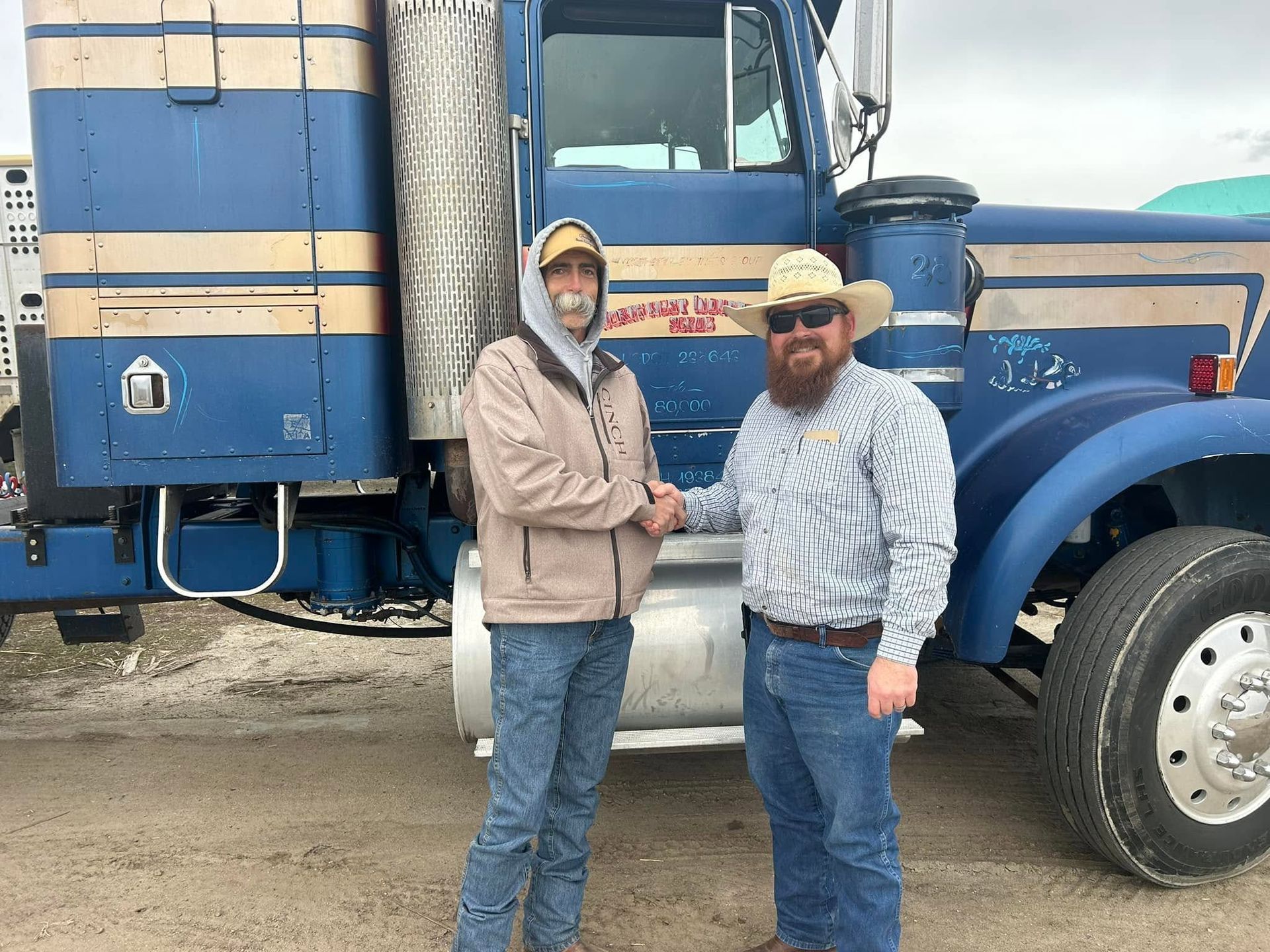
Each session dedicates instructor attention entirely to one student, allowing immediate feedback on mirror adjustment, lane positioning, and shifting technique without waiting for other learners to complete their turns. You repeat difficult maneuvers until they become consistent rather than moving forward on a fixed timeline that suits a group average. The Entry Level Driver Provision online coursework progresses at your own pace before practical training begins, so theory review does not delay vehicle time for students who absorb material quickly.
After completing the program, you demonstrate backing accuracy that meets carrier standards during orientation rather than requiring weeks of additional practice. Instructors identify specific habits early—such as late downshifting or insufficient mirror scanning—and correct them before they become ingrained patterns that employers must retrain. The manual transmission focus builds clutch control and gear timing skills that automated trucks conceal, preparing you for fleets that assign older equipment to new hires.
Three instructors collectively represent twenty-one, ten, and thirty-five years of CDL experience across flatbed, tanker, and dry van sectors, which provides context about endorsements, regional routes, and carrier preferences that generic training programs omit. The two-week typical course length remains flexible based on individual progress and work commitments common among Boise valley students.
Questions About Our Training Approach
Prospective students from Meridian to Caldwell often ask about course structure, vehicle type, and post-graduation support before enrolling in the program.
What does one-on-one instruction mean in practice?
You train alone with your assigned instructor during each session rather than sharing vehicle time with other students, which allows personalized feedback on specific weaknesses and faster progression through maneuvers you grasp quickly.
How does Heritage Truck Driving School achieve a 95 percent pass rate?
Instructors teach to actual CDL exam standards rather than abbreviated curriculums, and students repeat maneuvers until performance becomes consistent instead of advancing based on time spent rather than skill demonstrated.
Why does the school only use manual transmission trucks?
Most entry-level carrier equipment still uses manual transmissions, so training on automatics creates a false sense of readiness that results in extended company retraining when new drivers encounter clutch-based systems in their first assigned vehicle.
Can I attend training while working full-time in Emmett?
Four daytime slots and weekend availability accommodate existing employment schedules, and the two-week timeline adjusts based on how many sessions per week you can attend without compromising skill retention between practices.
What support does the school provide after I pass my CDL exam?
Instructors remain available to answer employment questions about carrier offers, endorsement decisions, and route preferences based on their decades of industry experience across multiple trucking sectors.
Heritage Truck Driving School prioritizes public safety and load securement training that employers enforce from day one of hire. Request a course overview meeting to review instructor backgrounds and current vehicle inventory used for certification preparation.