Learn to Drive Commercial Trucks Safely
Class A CDL Training in Emmett for drivers preparing for professional trucking careers
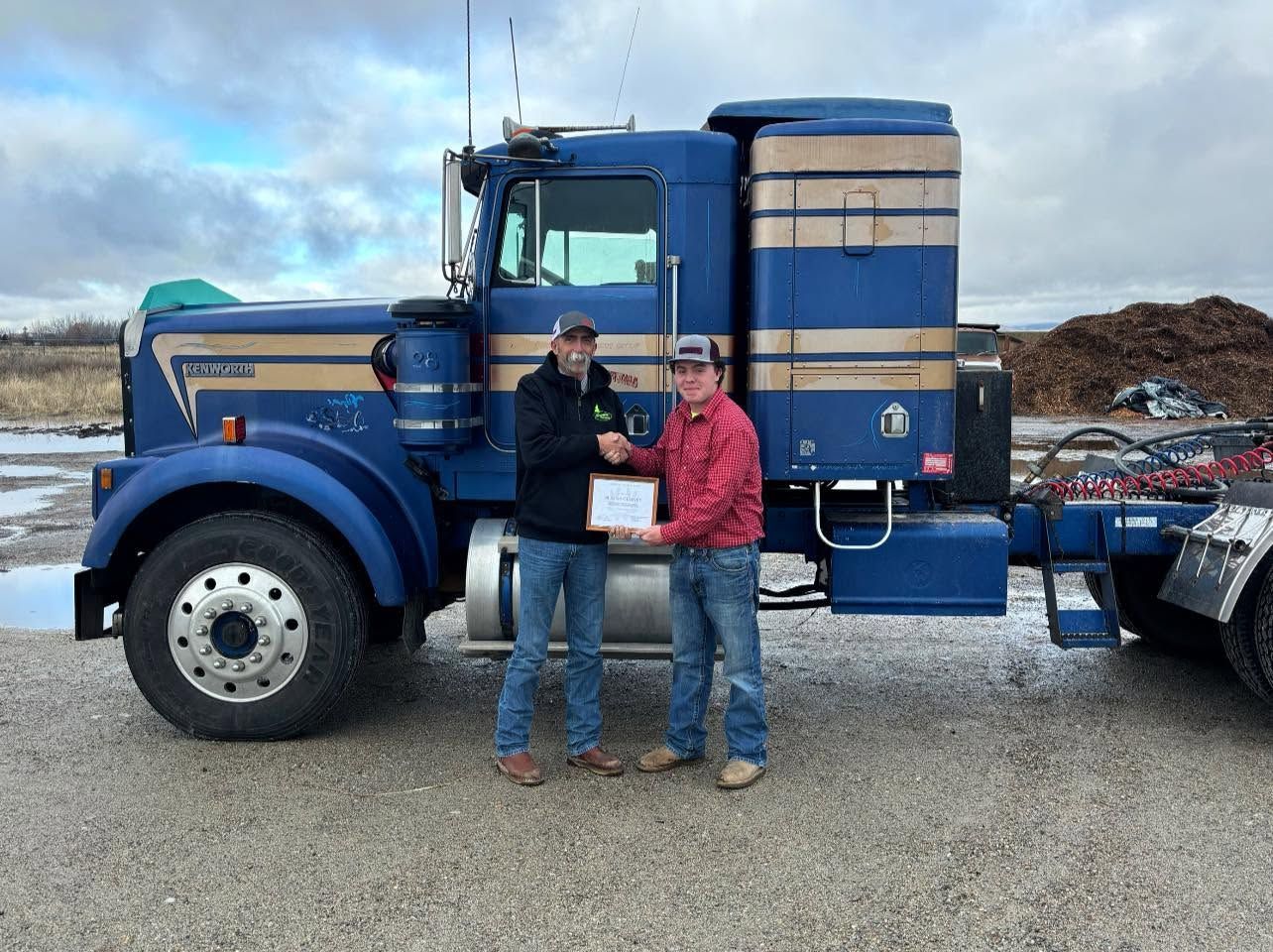
Older model DOT-compliant training trucks simulate the actual equipment new drivers encounter when they begin working for commercial carriers. Heritage Truck Driving School provides Class A CDL training in Emmett with one-on-one instruction designed to build confidence on manual transmission vehicles before students face their first employer evaluation. The program pairs each student with a single certified instructor throughout the entire course, allowing skills to develop at a realistic pace rather than rotating through multiple teaching styles.
The training combines online theory through an Entry Level Driver Provision course with hands-on road and yard work covering pre-trip inspections, backing maneuvers, shifting patterns, and highway driving. Students learn on manual transmission trucks exclusively, which prepares them for entry-level fleet conditions where automatic transmissions are less common. Four daytime scheduling slots and weekend availability accommodate existing work schedules during Idaho's long daylight hours.
Schedule an on-site evaluation at the Schiller Road location to review course structure and vehicle condition.
What Job-Ready Training Actually Requires
The two-week program moves through theory, vehicle walkarounds, controlled yard practice, and supervised road driving in sequence. Students complete the ELDP online component at their own pace before moving to practical training, where instructors assess each maneuver and provide immediate correction on steering input, mirror usage, and gear selection. Manual transmission training develops clutch control and timing skills that automated systems mask, preparing drivers for fleets that still operate older equipment.
Once students complete the course and pass their CDL exam, employers typically need one week of orientation rather than the industry-standard month of retraining. You demonstrate proficiency in pre-trip inspections without prompting, execute backing maneuvers with minimal coaching, and understand load securement principles that affect public safety. The school's 95 percent pass rate reflects instruction that aligns with actual testing standards rather than teaching to minimum requirements.
Three full-time instructors bring between ten and thirty-five years of commercial driving experience across multiple trucking sectors, which allows them to answer questions about regional routes, weather considerations, and carrier expectations that textbooks do not address. Their backgrounds cover flatbed, tanker, and dry van operations, so students receive context about which endorsements matter for specific job paths.
What Drivers Usually Ask Before Enrolling
Students throughout the Boise valley often have similar questions about training structure, vehicle requirements, and post-graduation employment expectations before committing to the program.
Why does Heritage Truck Driving School use older model training trucks?
Older DOT-compliant vehicles replicate the equipment many carriers assign to new drivers, so students develop skills on transmissions and braking systems they will actually operate during their first year rather than training on newer automated models that create a false sense of readiness.
How long does it take to complete the Class A CDL training course?
Most students finish within two weeks when attending daytime or weekend sessions consistently, though the schedule adjusts based on individual progress and existing work commitments common in the Emmett area.
What happens if I do not pass the CDL exam on the first attempt?
Instructors review weak areas identified during the test and provide additional focused practice on those maneuvers before rescheduling, ensuring students understand what evaluators expect during pre-trip inspections or backing exercises.
Do I need previous driving experience with large vehicles?
No prior commercial experience is required, as the program assumes students begin with passenger vehicle skills only and builds clutch control, shifting timing, and spatial awareness from that baseline.
What should I expect during the first week of employment after graduation?
Carriers typically assign a trainer for one week of orientation rather than the standard month, because Heritage Truck Driving School graduates already demonstrate load securement knowledge and backing proficiency that reduces company retraining time by roughly fifty percent.
Heritage Truck Driving School emphasizes safety-first instruction that prepares drivers for public road responsibility and cargo security requirements employers enforce immediately. Contact the school directly at the Emmett location to discuss current class availability and review training vehicle condition in person.